INNOVATIVE BEAUTY APPROACH
 46 Fort York Blvd, Toronto, ON M5V 3Z3

Sat: 10 AM – 6 PM
Sun : 10 AM - 6 PM



Rosacea Treatment Options: 7 Medical Solutions
Rosacea Treatment Options: 7 Medical Solutions
Introduction
Rosacea treatment begins with understanding that this chronic inflammatory skin condition affects over 16 million North Americans, causing persistent facial redness, visible blood vessels, and uncomfortable inflammation. If you're dealing with rosacea symptoms like burning sensations, red bumps, or flushing triggers that won't quit, you're not alone in searching for relief. At Bar Beauty Medical in Toronto, we see patients every day who've struggled with rosacea flare-ups and are ready for real solutions. The good news? Modern dermatology offers multiple effective treatments for rosacea that can significantly reduce redness and calm inflamed skin. Whether you're experiencing mild facial redness or dealing with severe rosacea with papules and pustules, medical treatments have evolved to target the root causes of this frustrating condition. This guide breaks down the most effective medical interventions that actually work for managing rosacea and restoring your skin's natural calm.
Understanding Rosacea: Why Your Skin Gets Red and Inflamed
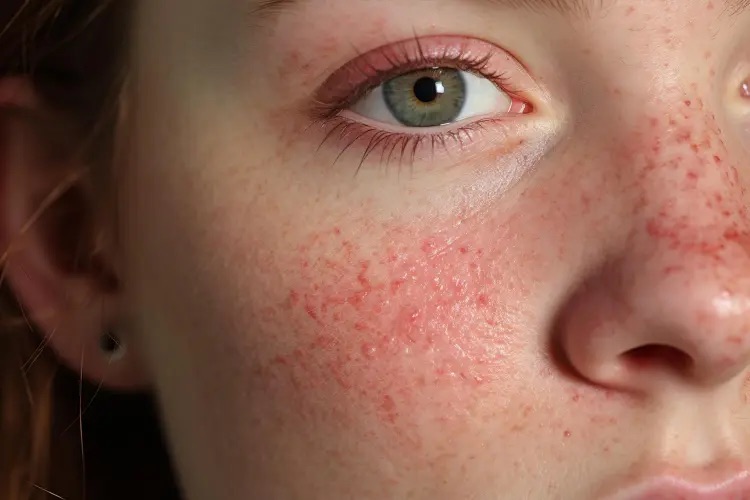
Before diving into treatments, let's talk about what's actually happening when rosacea flares up. This chronic inflammatory condition affects the blood vessels in your face, causing them to dilate more easily than normal skin. That's why rosacea patients experience persistent redness, especially across the cheeks, nose, chin, and forehead.
There are four main rosacea subtypes that dermatologists recognize:
Erythematotelangiectatic rosacea shows up as persistent facial flushing with visible blood vessels (telangiectasia). You might notice your skin feels hot or stings during flare-ups.
Papulopustular rosacea looks similar to acne with red bumps and pus-filled lesions, but it's not the same as acne vulgaris. The inflammation happens differently, which is why acne treatments often don't work for rosacea.
Phymatous rosacea causes skin thickening, particularly on the nose (rhinophyma), and is more common in men.
Ocular rosacea affects the eyes, causing dryness, irritation, and redness around the eyelids.
Common rosacea triggers include sun exposure, hot beverages, spicy foods, alcohol, stress, and extreme temperatures. Your skin's natural barrier function becomes compromised with rosacea, making it more reactive to these triggers. The inflammation also involves an overactive immune response and sometimes an overgrowth of Demodex mites that live on skin.
Understanding your specific subtype and triggers helps your dermatologist create a targeted treatment plan that addresses your unique rosacea symptoms.
Prescription Topical Treatments: First-Line Defense Against Redness
Topical treatments form the foundation of most rosacea management plans. These prescription medications work directly on your skin to reduce inflammation, calm redness, and prevent flare-ups.
Metronidazole cream or gel is one of the most commonly prescribed topical antibiotics for rosacea. It reduces inflammation and has antimicrobial properties that help control bacterial overgrowth. You'll typically apply it once or twice daily, and most patients see improvement in redness and bumps within 4-6 weeks.
Azelaic acid works as both an anti-inflammatory and antimicrobial agent. It's particularly effective for papulopustular rosacea because it reduces the red bumps and inflammation while also addressing hyperpigmentation that sometimes accompanies chronic redness. Azelaic acid can cause some initial tingling, but your skin usually adjusts within a few weeks.
Ivermectin cream targets Demodex mites and inflammation simultaneously. Research shows it's highly effective for reducing inflammatory lesions and redness in rosacea patients. This prescription treatment has shown significant results in clinical trials for managing moderate to severe symptoms.
Brimonidine gel is a newer option that works differently from other topical treatments. It's a vasoconstrictor, meaning it temporarily tightens blood vessels to reduce facial redness. You'll see results within 30 minutes of application, lasting up to 12 hours. It's perfect for special occasions when you want quick redness reduction, though it doesn't treat the underlying inflammation.
Oxymetazoline cream is another vasoconstrictor approved specifically for persistent facial redness. It provides similar rapid relief by constricting dilated blood vessels.
Your dermatologist might combine multiple topical medications to address different aspects of your rosacea. The key is consistency these treatments work best when applied regularly as prescribed, not just during flare-ups.
Oral Medications: Systemic Solutions for Stubborn Inflammation
When topical treatments aren't enough to control moderate to severe rosacea, oral medications provide systemic relief that works from the inside out.
Doxycycline at low doses is the only FDA-approved oral antibiotic specifically for rosacea. Unlike higher doses used for infections, the 40mg modified-release formulation works through anti-inflammatory mechanisms rather than antimicrobial action. This means you get the inflammation-reducing benefits without the antibiotic resistance concerns. Most patients take it once daily and notice significant reduction in bumps and redness within 6-8 weeks.
Other oral antibiotics like minocycline, tetracycline, and erythromycin are sometimes prescribed off-label for rosacea. These medications reduce inflammatory lesions and calm the immune response that contributes to rosacea symptoms. Your dermatologist typically prescribes them for 8-12 weeks, then transitions you to maintenance therapy with topical treatments.
Isotretinoin (commonly known by the brand name Accutane) is reserved for severe rosacea cases that haven't responded to other treatments, particularly phymatous rosacea with significant skin thickening. It's powerful but requires careful monitoring due to potential side effects. However, for patients with severe symptoms, isotretinoin can provide life-changing results.
The advantage of oral medications is they treat rosacea systemically throughout your body, addressing inflammation at its source. They're particularly helpful when you have extensive facial involvement or when rosacea affects areas beyond just your face.
Your dermatologist will monitor your response and adjust dosages as needed. Many patients start with oral medication to get inflammation under control, then maintain results with topical treatments and lifestyle modifications.
Laser and Light Therapies: Targeting Visible Blood Vessels and Persistent Redness
Laser treatments have revolutionized rosacea management, especially for patients dealing with visible blood vessels and persistent background redness that doesn't fully respond to medications.
Intense Pulsed Light (IPL) therapy uses broad-spectrum light to target the hemoglobin in dilated blood vessels. The light energy heats and destroys these vessels, reducing overall redness and flushing. Most patients need 3-5 treatment sessions spaced 4-6 weeks apart to see optimal results. IPL is incredibly effective for erythematotelangiectatic rosacea with those stubborn visible capillaries across your cheeks and nose.
Pulsed Dye Laser (PDL) therapy specifically targets blood vessels using yellow light wavelengths. It's highly effective for reducing both redness and visible telangiectasia. PDL treatments can cause temporary purpling (purpura) that lasts 5-10 days, but newer settings minimize this downtime while still delivering excellent results.
Nd:YAG lasers penetrate deeper into skin to treat larger blood vessels and diffuse redness. They're particularly useful for thicker skin or when blood vessels are deeper beneath the surface.
The beauty of laser treatments is they provide long-lasting reduction in redness and visible blood vessels results that topical and oral medications can't achieve. You'll still need to manage triggers and might continue some topical treatments, but lasers address the vascular component of rosacea that makes skin look perpetually flushed.
At Bar Beauty Medical, we customize laser protocols based on your specific rosacea presentation, skin tone, and treatment goals. Most patients describe the sensation as tiny rubber band snaps, with treatments taking 20-30 minutes. You might have some temporary redness and swelling for a day or two, but there's minimal downtime compared to the dramatic improvement in your skin's appearance.
Advanced Medical Treatments: Microneedling, Chemical Peels, and Barrier Repair
Beyond traditional medications and lasers, several advanced treatments complement your rosacea management plan.
Microneedling with radiofrequency combines controlled skin injury with RF energy to reduce inflammation, improve skin texture, and strengthen the compromised barrier function common in rosacea. When performed by experienced professionals using gentle settings appropriate for sensitive skin, microneedling can reduce redness, improve skin thickness, and decrease the appearance of enlarged pores that often accompany rosacea.
Gentle chemical peels using ingredients like lactic acid, mandelic acid, or low-percentage salicylic acid can help manage rosacea when carefully selected and properly administered. The key is avoiding aggressive peels that trigger inflammation. Mild peels can reduce bumps, improve skin texture, and help topical medications penetrate more effectively.
Medical-grade skincare focused on barrier repair is essential for all rosacea patients. Your compromised skin barrier makes you more reactive to triggers and treatments. Products containing ceramides, niacinamide, and centella asiatica help restore barrier function, reduce inflammation, and make your skin more resilient. We often recommend gentle cleansers, mineral-based sunscreens, and fragrance-free moisturizers specifically formulated for rosacea-prone skin.
LED light therapy using specific wavelengths (particularly yellow and red light) can reduce inflammation and promote healing without the intensity of laser treatments. While research is still emerging, many rosacea patients report improvement with regular LED sessions.
These complementary treatments work best when integrated into a comprehensive rosacea management plan that includes medical treatments, trigger avoidance, and appropriate skincare. The goal is strengthening your skin's natural defences while calming the chronic inflammation that drives rosacea symptoms.
Creating Your Personalized Rosacea Treatment Plan
The most effective rosacea treatment approach combines multiple strategies tailored to your specific symptoms, triggers, and lifestyle.
Initial assessment with a dermatologist or medical aesthetics professional determines your rosacea subtype, severity, and primary concerns. Maybe you're most bothered by constant redness, or perhaps the bumps and pustules are affecting your confidence. Your treatment plan should prioritize what matters most to you.
Combination therapy typically delivers better results than single treatments alone. You might start with a topical prescription like metronidazole combined with gentle skincare, then add laser treatments to address visible blood vessels, while managing triggers through lifestyle modifications.
Treatment timeline varies by individual, but here's what to generally expect: Topical treatments show improvement in 4-8 weeks. Oral antibiotics work within 6-12 weeks. Laser treatments provide gradual improvement over 3-6 months with multiple sessions. The key is patience and consistency.
Maintenance therapy is crucial because rosacea is a chronic condition. Once you achieve control, you'll likely continue some form of treatment whether that's periodic laser sessions, daily topical medications, or strategic use of vasoconstrictors before events.
Trigger management remains important throughout your treatment journey. Even with excellent medical intervention, exposure to known triggers can cause flare-ups. Identifying and avoiding your specific triggers (heat, certain foods, stress, skincare ingredients) maximizes your treatment results.
Regular follow-up appointments allow your provider to adjust your plan based on how your skin responds. Rosacea treatment isn't one-size-fits-all, and what works beautifully for one patient might need tweaking for another.
Conclusion
Effective rosacea treatment exists, and you don't have to live with constant facial redness and inflammation. From prescription topical medications like metronidazole and azelaic acid to systemic options like low-dose doxycycline, modern dermatology offers multiple pathways to calm inflamed skin. Laser therapies including IPL and PDL provide long-lasting reduction in visible blood vessels and persistent redness that medications alone can't achieve. Advanced treatments like barrier-repair skincare and carefully selected procedures complement medical interventions for comprehensive rosacea management.
The key to successfully treating rosacea is working with experienced professionals who understand this complex inflammatory condition and can create a personalized treatment plan addressing your specific symptoms and triggers. Whether you're dealing with mild redness or severe papulopustular rosacea, combining the right medical treatments with proper skincare and trigger avoidance can dramatically improve your skin's appearance and your quality of life.
Ready to stop dealing with rosacea on your own? Book a consultation at Bar Beauty Medical in Toronto to explore which treatments are right for your skin. Our team specializes in creating customized rosacea management plans that actually work because you deserve skin that feels calm, looks clear, and lets your natural confidence shine through.